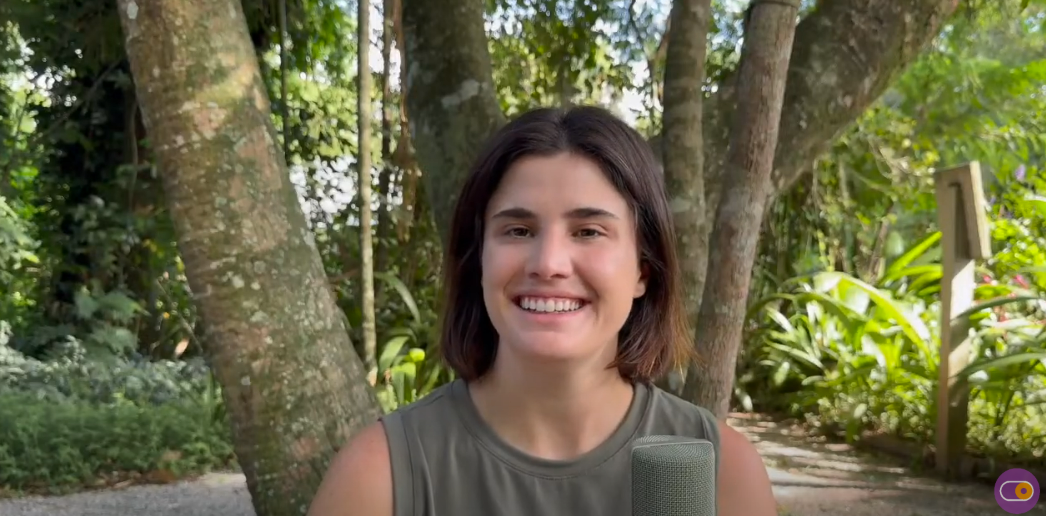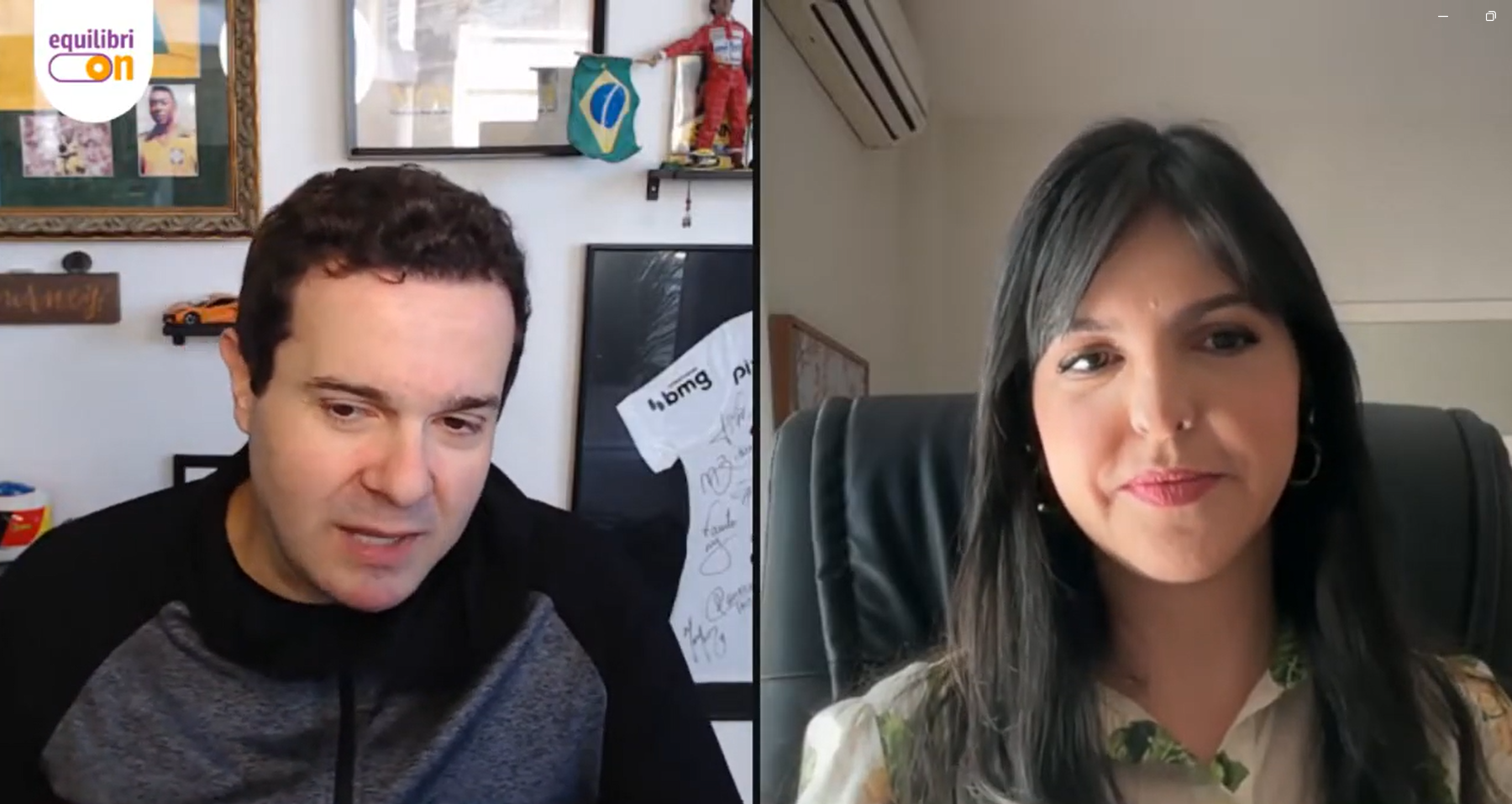
In the coming years, people management will undergo significant transformations, primarily influenced by technology and changes in human behavior. HR’s role is no longer just about managing hiring and benefits, but becoming a strategic ally for business growth, focusing on employee well-being and adapting to new market demands. These were the topics of our chat with Gabriela Navarro, from Mova RH, about the challenges in the category during the live session “HR Trends in 2025: How to Transform People Management”. Let’s check it out?

Bruno Gurgel hosts Gabriela Navarro, from Mova RH, for a chat about HR Trends in 2025: How to Transform People Management
In the past, HR was only responsible for operational tasks like hiring and firing, but the scenario is changing. Today, HR is fundamental for organizational success, as it deals directly with human behavior, which is the driving force of any company. The trends for HR in 2025 show that it needs to be aligned with business goals, but also in tune with generational and behavioral changes. Technology can be an ally, but it must be used intelligently to create an environment that values mental health, diversity, and team engagement, as the professional explains during the live session.
The Impact of Generations in the Corporate Environment
Currently, we have up to seven generations working together in companies, and this presents a challenge for HR. Each generation has different expectations about work, which requires a personalized approach for retention and engagement. The ability to adapt management practices for different age groups, respecting their needs and ways of operating, will be one of the biggest demands in 2025. Leaders, more than ever, need to be flexible, empathetic, and prepared to deal with these differences strategically.
Watch the full video:
Mental Health in HR: an Ongoing Challenge
Mental health is another crucial factor that will be at the center of HR concerns in the coming years. Stress related to overwork and the impact of technology on employee well-being are urgent issues to be addressed. The unbridled use of screens, for example, is directly related to the increase in disorders such as burnout. HR’s mission will be to create policies that balance digital health, developing ways to combat technology addiction, especially in an increasingly connected corporate world, as Gabriela Navarro indicates.
Learn about the Health without Filter Project
Gabriela’s Tips for Implementation:
-
Digital mental health training: offer workshops to teach employees how to manage their screen time and ensure more effective communication.
-
Clear disconnection policies: implement guidelines to prevent messages from being sent outside working hours.
-
Promotion of healthy breaks: encourage conscious use of technology during work hours and promote rest moments to increase productivity and reduce stress.
Technology as an HR Ally
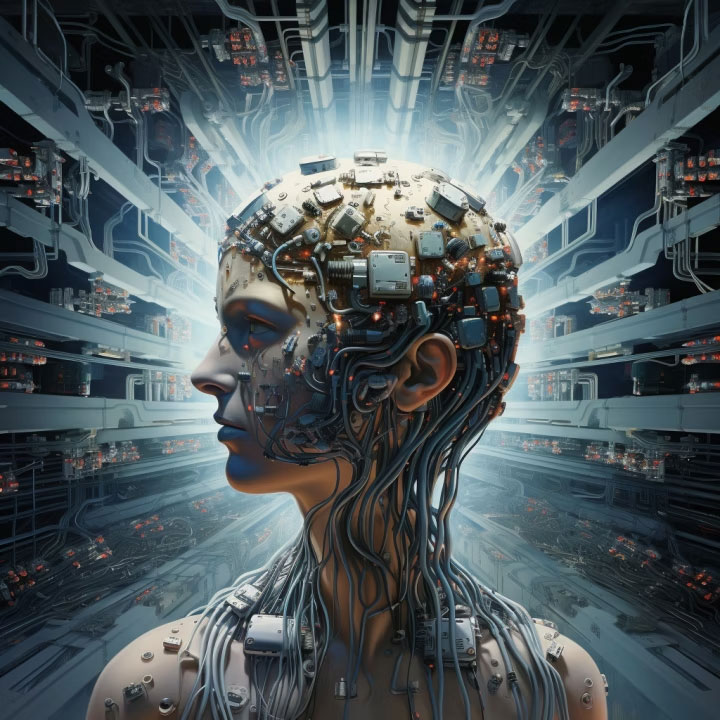
In 2025/26, companies will need to adopt artificial intelligence (AI) to optimize internal processes and improve talent management. AI can help streamline recruitment, map the necessary skills for different roles, and improve the employee experience. However, for HR to be truly strategic, it’s essential that it not only implements these tools but also educates the team on the proper use of these technologies. HR should be the support point for the cultural adaptation that innovation requires, ensuring that technology benefits both the company and the employee in a balanced way.
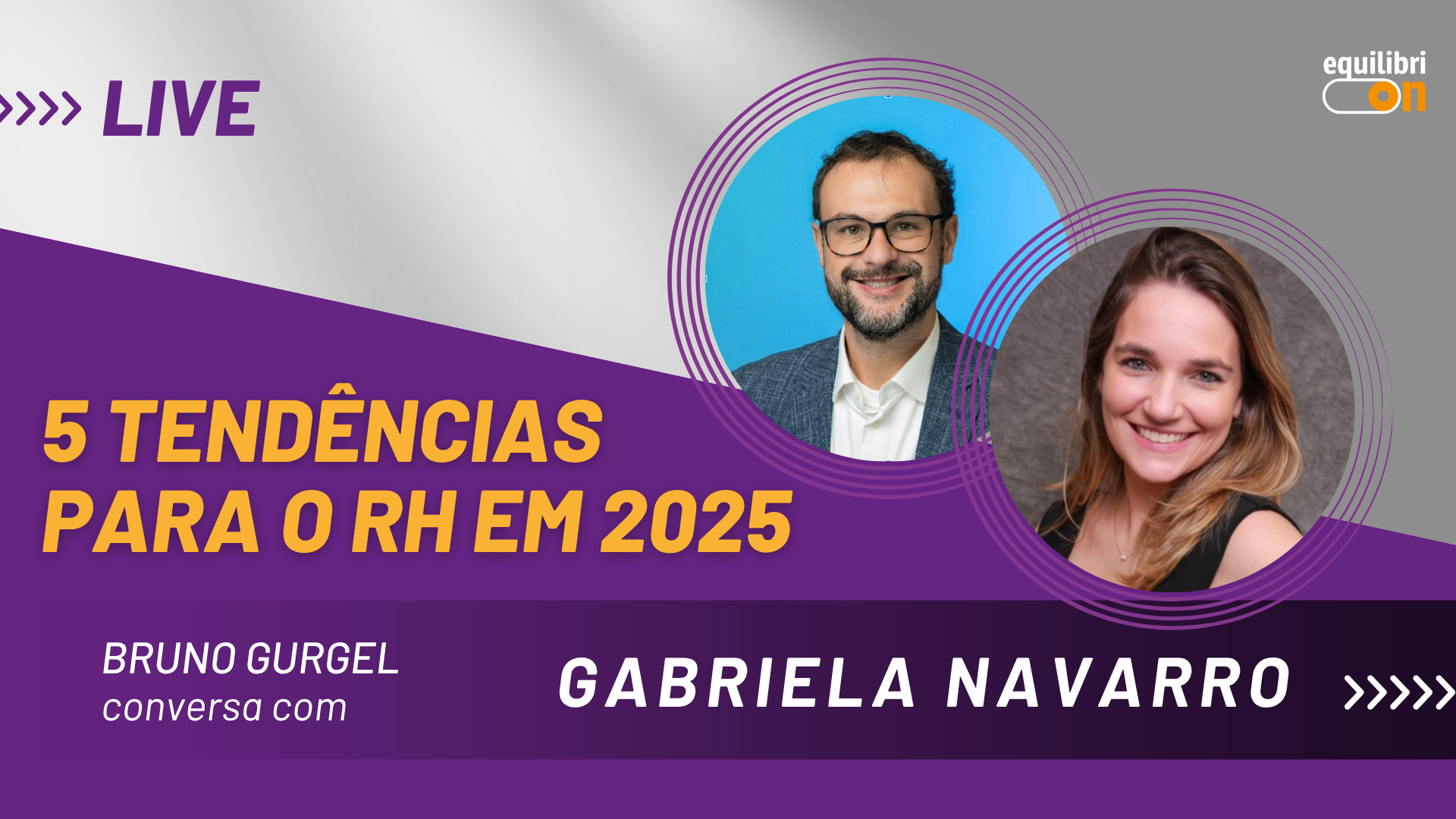
HR Trends in 2025: How to Transform People Management
Conclusion
HR will have to embrace new trends that connect digital well-being with productivity in the workplace. The key to success will be adaptation: whether in relation to different generations, digital transformation, or mental health at work. For this, it’s essential that HR acts as a strategic facilitator, bringing innovative and humanized solutions to future challenges.
Follow us on Instagram: @equilibrion
Follow us on YouTube: EquilibriON
Learn more about our solutions: equilibrionline.com.br